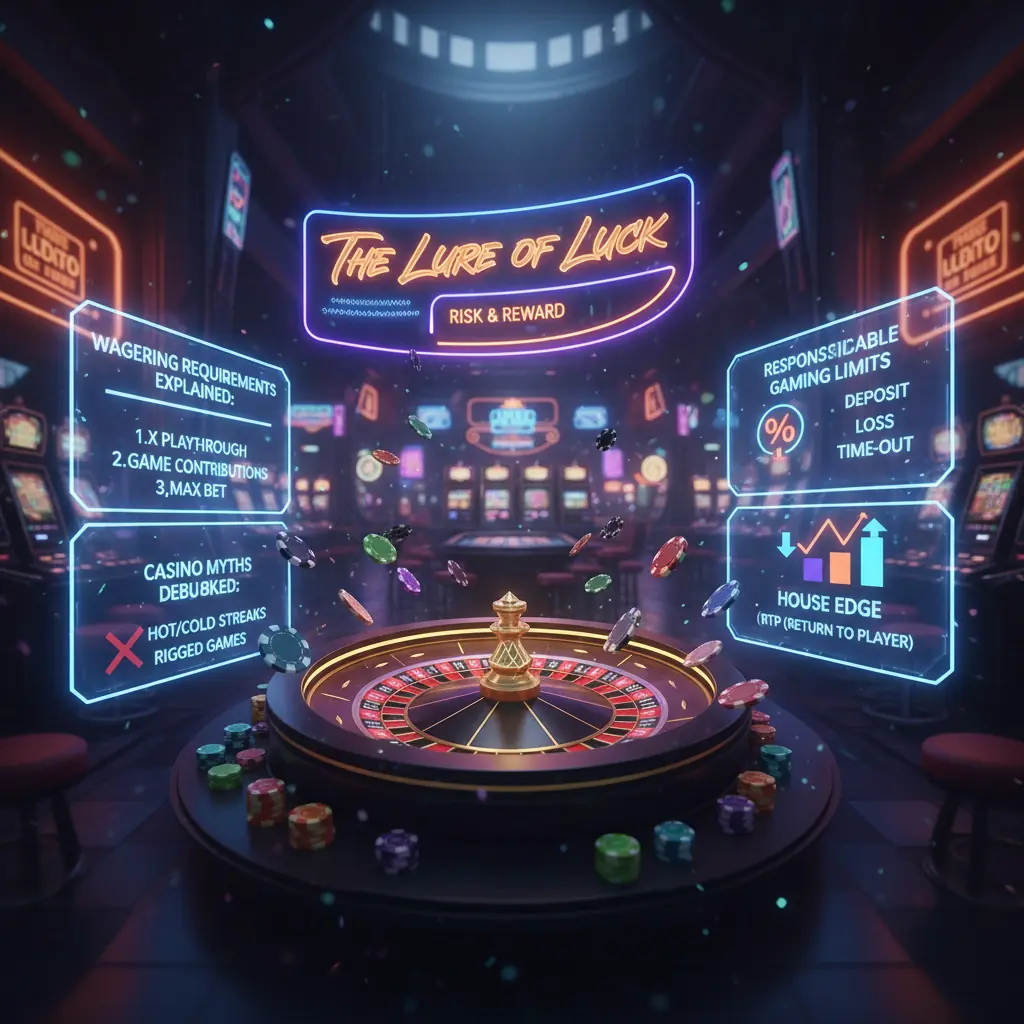
Ever found yourself inexplicably drawn to a particular slot machine, even when others offer better odds? Maybe it was the adventurous allure of an Egyptian-themed game, or the comforting nostalgia of a classic fruit machine. These aren’t accidents. Slot themes are carefully crafted to tap into our emotions and influence our gambling behavior in subtle, yet powerful ways.
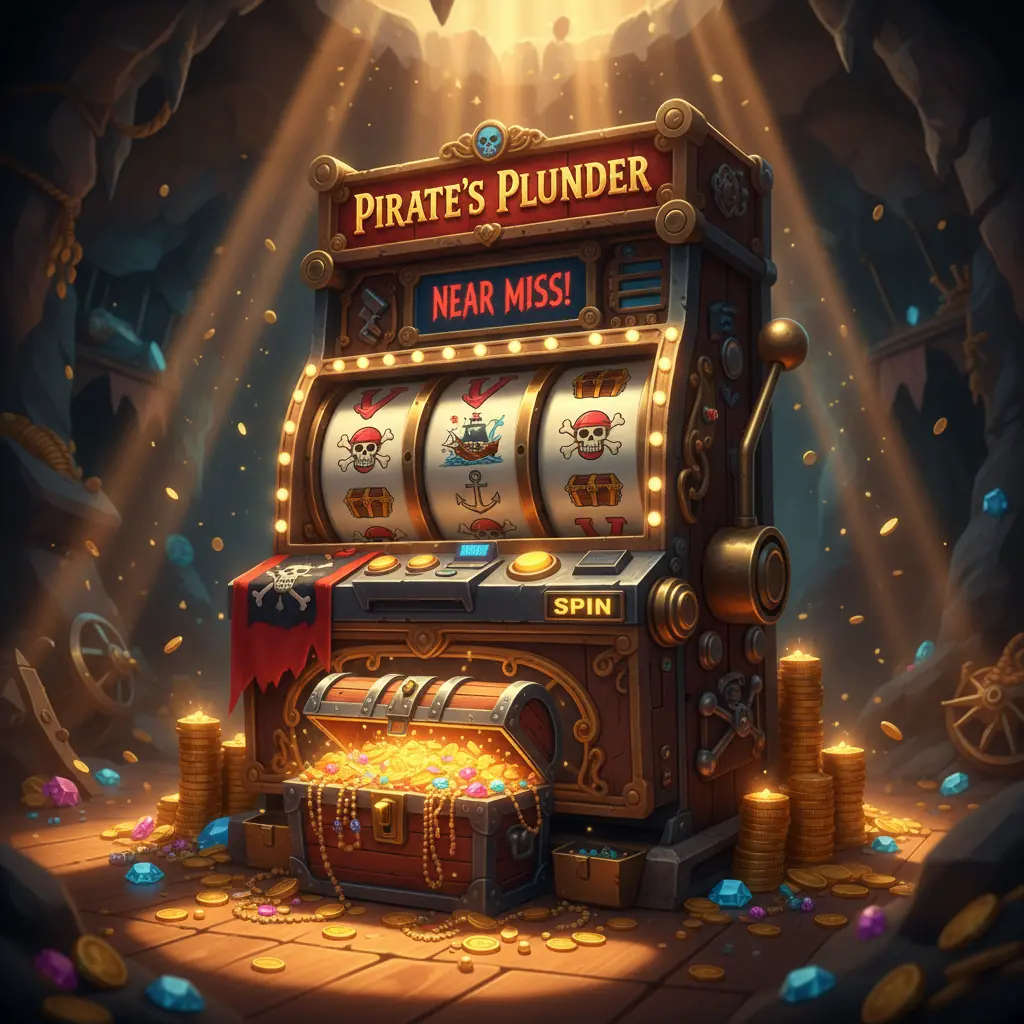
I remember once being completely fixated on a pirate-themed slot, even though the cartoonish graphics weren’t really my style. It was the promise of buried treasure and swashbuckling adventure that kept me spinning, long after I should have stopped. This experience sparked my curiosity about the psychology behind slot themes, and I discovered a fascinating world of persuasive design.
Understanding how these themes work is essential for anyone who enjoys playing slots. It’s not about spoiling the fun; it’s about becoming a more informed and empowered player, capable of making responsible decisions while still enjoying the thrill of the game. This knowledge allows appreciating the artistry while remaining aware of its potential influence which helps to gamble more responsibly. Let’s explore the surprising influence of slot themes and how they impact our emotions and gambling habits.
The Psychology of Slot Themes
Slot machines are more than just spinning reels; they are carefully constructed psychological experiences designed to keep players engaged. The effectiveness of slot themes hinges on several foundational psychological principles, subtly influencing behavior and creating a compelling desire to play. One key principle is classical conditioning, famously demonstrated by Ivan Pavlov’s experiments. In slot machines, specific sights and sounds become associated with winning, creating a conditioned response where players feel excitement and anticipation even before a win occurs. The flashing lights and celebratory jingles trigger a similar response, fostering a positive association with the game.
Operant conditioning, particularly the concept of variable rewards, is another crucial element. Pioneered by B.F. Skinner, this principle suggests that unpredictable rewards are far more effective at maintaining behavior than consistent ones. Slot machines are designed to deliver wins at random intervals, creating a sense of anticipation and the belief that the next spin could be the jackpot. This unpredictability keeps players engaged, hoping for that big win.
Furthermore, slot themes exploit various cognitive biases, mental shortcuts that can lead to irrational decisions. The ‘near miss’ effect, where the reels almost align for a winning combination, is a prime example. This triggers the illusion of control and the belief that a win is imminent, encouraging players to continue. The psychology of gambling is deeply intertwined with these biases, creating an environment where players are more susceptible to the game’s allure.
The Power of Visual and Auditory Cues
Visual and auditory cues are essential components of slot machine design, playing a significant role in shaping the player experience. Color psychology is strategically employed, with vibrant colors like red used to evoke excitement and passion, while gold is often associated with wealth and prosperity. These colors are not chosen randomly but are carefully selected to stimulate specific emotions and create a sense of anticipation. The incorporation of sound design, such as triumphant music and celebratory jingles, further enhances the perception of winning and reinforces the positive associations with the game.
Anticipation cues, such as spinning reels and flashing lights before the final result, intensify the excitement and generate suspense, making the overall experience more engaging. These cues are designed to heighten the senses and create a compelling desire to see the outcome. The combination of these visual and auditory elements works together to create a multisensory experience that keeps players captivated.
Nostalgia and Cultural Identification
Nostalgia serves as a powerful tool in slot theme design, tapping into cherished memories and positive associations from the past. Themes centered around classic movies, TV shows, or historical events can evoke strong emotional responses, instantly connecting with players on a personal level. This thematic resonance strengthens player engagement by creating a sense of familiarity and comfort.
Cultural identity also plays a significant role, with slot themes often incorporating symbols, traditions, and figures that resonate with specific cultural groups. These themes can trigger emotional associations and memories, making the game more engaging for individuals who identify with the featured culture. By tapping into these powerful emotions, slot themes can create a deeper connection with players, enhancing their overall experience and fostering a sense of belonging.
Common Slot Themes and Their Emotional Impact
Adventure Themes
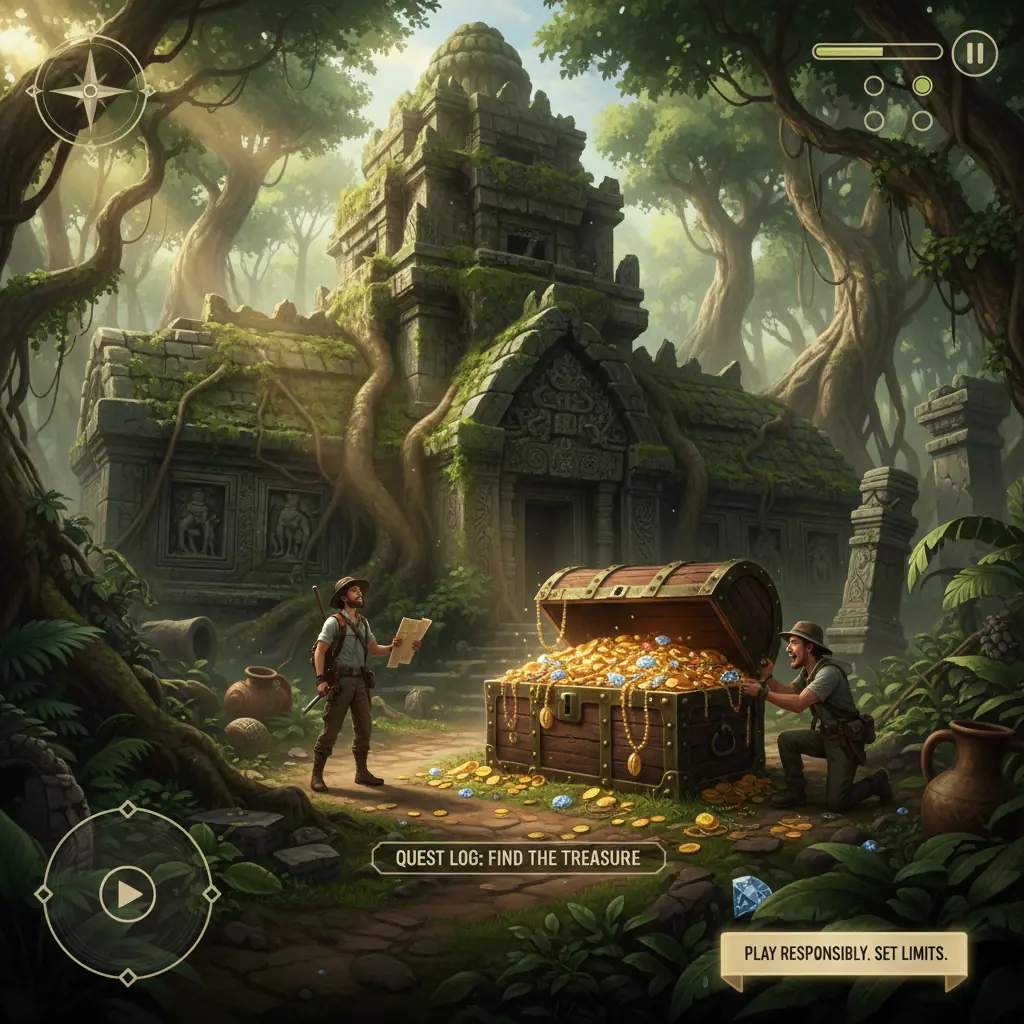
Adventure themes in slots tap into the human desire for exploration and risk-taking. Games often feature visuals of ancient ruins, dense jungles, or perilous quests. Auditory cues such as tribal drums, sweeping orchestral scores, and the sound of cracking whips heighten the sense of immersion and danger. Popular titles often include characters embarking on treasure hunts or exploring lost civilizations. This combination of visual and auditory elements evokes feelings of excitement, anticipation, and the potential for great rewards. Players, caught up in the adventurous narrative, may feel emboldened to bet more aggressively, chasing the thrill of uncovering hidden riches and experiencing the gambler’s high.
Wealth and Luxury Themes
Wealth and luxury-themed slots are designed to create a sense of aspiration and the possibility of instant riches. These games are visually rich, featuring symbols of wealth such as gold bars, diamonds, expensive cars, and overflowing treasure chests. The color palettes often include gold, purple, and deep reds, further reinforcing the theme of opulence. Auditory cues such as chimes, celebratory fanfares, and the clinking of coins contribute to the feeling of winning big. Games in this category aim to fulfill the fantasy of a lavish lifestyle, even if temporarily. The allure of instant wealth can be a powerful motivator, encouraging players to extend their playing sessions and potentially increase their wagers in the pursuit of that elusive jackpot that promises to transform their dreams into reality. The feeling of potential abundance is a key driver in keeping players engaged with these games.
How to Recognize and Manage Theme-Induced Emotions
Setting Limits and Recognizing Triggers
Responsible gaming involves understanding how slot themes can affect your emotions and behavior. Certain themes might trigger excitement or nostalgia, leading to impulsive decisions. Setting gambling limits is the first line of defense. Decide on a budget before you start and stick to it, regardless of wins or losses. Also, being aware of the time spent is important. Use a timer or set alarms to remind yourself to take breaks. When a theme starts to trigger strong feelings, it’s a sign to pause. Recognize these patterns and have a plan to switch games or stop playing altogether.
The Future of Slot Themes: Trends and Ethical Considerations
The world of slot themes is dynamic, constantly evolving to capture player attention and deliver fresh experiences. Looking ahead, several exciting trends are poised to reshape the landscape. Virtual reality (VR) integration promises immersive environments where players can virtually step into the game. Imagine exploring ancient Egyptian tombs or futuristic cityscapes from the comfort of your home.
Artificial intelligence (AI) could also play a significant role, personalizing slot themes based on individual player preferences. Games might adapt in real-time, offering customized narratives, characters, and bonus features. Furthermore, expect growing popularity of skill-based slot games where players can actively influence the outcome, moving beyond simple luck.
However, this exciting future comes with critical ethical considerations. As slot themes become increasingly sophisticated and engaging, the industry faces a greater responsibility to protect players, especially those vulnerable to gambling-related harm. The use of potentially addictive themes, such as those based on nostalgia or escapism, requires careful consideration.
Transparency is paramount. Game developers should ensure that players understand the mechanics of the game and the potential risks involved. Responsible design practices must prioritize player well-being, incorporating features such as reality checks, spending limits, and self-exclusion options. By embracing ethical principles and prioritizing player protection, the slot industry can ensure a sustainable and enjoyable future for all.